Quebec Skilled Worker Program Continues to Accept Applications

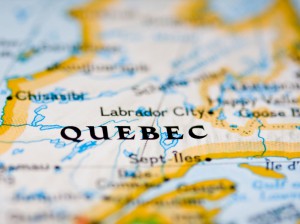
On April 1, 2014, the popular Quebec Skilled Worker (QSW) program began accepting applications under the same eligibility requirements as the previous application cycle. Between April 1, 2014 and March 31, 2015, the program will limit its application intake to 6,500 applications.
According to Attorney David Cohen, this is good news for prospective applicants around the world, and a sign that the Province of Quebec continues to open its doors to newcomers.
“On April 1, 2014, Quebec’s immigration regulations for its skilled worker program were set to expire,” said Attorney David Cohen. “In the days and weeks leading up to that date, it was unclear what course of action the province would take. I for one am glad Quebec will continue to welcome immigrants with the skills and experience the province needs.”
Current Eligibility Criteria
The QSW program accepts applications from skilled workers from a wide range of backgrounds. No job offer is needed to apply to this program. At minimum, applicants must:
- Have at least a high school level of education; and
- Score a minimum number of points on a selection grid.
Points are awarded for a variety of attributes, including but not limited to: work experience, education, language proficiency, age, and adaptability. In addition, the program will accept a maximum of 6,500 applications from skilled workers with no job offer. As of Monday, April 14, approximately 800 applications have already been received. The implications of this cap were discussed at length in a recent CIC News article, which can be read here.
Immigrating to Quebec
Successful applicants through the QSW program receive Canadian Permanent Residency. Permanent Residents are granted to the freedom to travel, live, and work anywhere in Canada.
Many, if not most, successful QSW applicants choose to remain in Quebec. Those who do so become residents of one of Canada’s most populous, diverse, and dynamic provinces.
Quebec is home to an expanding economy, with booming sectors in the technology and healthcare industries. While French is the official language of the province, English is widely spoken in and around Montreal, Quebec’s largest city. Immigrants who wish to learn French and more actively integrate into Quebec’s society can do so for free, thanks to a well-organized system of government-sponsored language classes.
“I have lived in Quebec for most of my life, and am proud to call this province my home,” said Attorney Cohen. “I encourage prospective immigrants to seriously consider immigrating to this province when planning for a future in Canada.”
To find out if you are eligible for the Quebec Skilled Worker Program, or any of Canada's over 60 immigration programs, please fill out a free assessment today.
- Do you need Canadian immigration assistance? Contact the Contact Cohen Immigration Law firm by completing our form
- Send us your feedback or your non-legal assistance questions by emailing us at media@canadavisa.com