Canada tightens rules for foreigners transiting to Alaska

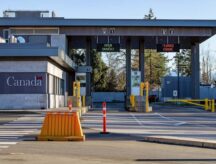
The Canadian border is implementing stricter rules on travellers going through Canada to transit between Alaska and the rest of the U.S.
The new rules apply to people travelling for non-discretionary reasons, which may include people who are going between states for work or to reach their primary residence in the U.S., according to a previous border services memo on essential travel.
Drivers going through Canada to get to Alaska are only allowed to cross the border at certain points of entry, as per new Canadian Border Services Agency (CBSA) regulations. They will be allowed a reasonable period of stay to carry out the transit, but must use the most direct route from the border crossing to the intended exit, avoiding all national parks, leisure sites and tourism activities. They will also be required to report to CBSA to confirm their exit from Canada before entering the U.S.
Find out if you are eligible for any Canadian immigration programs
Border officers will hand out hang tags for drivers to attach to their rear-view mirror for the duration of their trip. The front of the tag will make it clear that the travellers are transiting and will include the date when they must exit Canada. The back, facing the driver, will remind travellers to comply with the conditions of their entry, the Quarantine and Emergencies Acts, and a list of public health and safety measures.
The list provided by the Public Health Agency of Canada (PHAC) tells travellers to:
- avoid contact with others while in transit;
- remain in the vehicle as much as possible;
- not make any unnecessary stops;
- practice physical distancing at all times;
- pay at the pump if they need gas;
- use a drive-thru if they need food;
- wear a suitable mask or face covering while in transit;
- ensure good hygiene practices if they need to use a rest area; and
- only use services that are open to travellers along the direct route on which they are travelling.
Travellers coming to Canada from Alaska are not limited to designated ports of entry. People driving from the contiguous States must enter at one of the designated entry points, or else they will be turned away and advised to go to one of the following five ports:
- Abbotsford-Huntington in B.C.;
- Coutts in Alberta;
- Kingsgate in B.C.;
- North Portal in Saskatchewan; or
- Osoyoos in B.C.
CBSA also says that officers may put additional measures on travellers who enter Canada.
As of March 31, the border services agency collects travellers’ contact information either by paper, the ArriveCAN app, or in conversation with the CBSA officer when seeking entry. Travellers’ information is collected for Canada’s public health agency and regional health authorities to ensure compliance with the 14-day quarantine or isolation requirement. The contact information is used to monitor and track travellers from a public health perspective.
Travellers who have coronavirus symptoms are not allowed to enter Canada, and providing false information to border services officers may lead to being denied entry or being banned from returning to Canada.
The Canada-U.S. border is temporarily closed to most foreign travel. Coming to Canada for recreation, entertainment, or tourism is prohibited while the coronavirus is still a public threat.
If travellers do not comply with the border restrictions, they could face fines of up to $750,000 or up to six months of jail time. If travellers cause a risk of death or bodily harm to another person while breaking quarantine laws they could be liable for up to a million dollars in fines, or imprisonment for up to three years.
Find out if you are eligible for any Canadian immigration programs
© 2020 CIC News All Rights Reserved

- Do you need Canadian immigration assistance? Contact the Contact Cohen Immigration Law firm by completing our form
- Send us your feedback or your non-legal assistance questions by emailing us at media@canadavisa.com