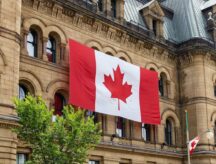
Canada-U.S. extending border closure to July 21

Canada announced today that the border with the United States will remain closed to non-essential travel until July 21.
In spite of pressure from the business community and a drop in the number of COVID-19 cases on both sides of the Canada-U.S. border the closure in place since March 2020 is being extended.
Public Security Minister Bill Blair tweeted the news this morning.
Our number one priority as we fight #COVID19 is keeping Canadians safe. In coordination with the U.S., we are extending restrictions on non-essential international travel and with the United States until July 21st, 2021.
— Bill Blair (@BillBlair) June 18, 2021
Contact the Law Firm of Campbell Cohen for help entering Canada from the U.S.
Minister Blair announced that restrictions on travellers from countries other than the U.S. are also being extended by one month.
Minister Blair also indicated in his tweet that the government will provide details on Monday about easing restrictions for fully vaccinated Canadians and others currently exempt from travel restrictions to Canada.
"As we have said, the government is planning measures for fully vaccinated Canadians, Permanent Residents, and others who are currently permitted to enter Canada and will provide further details on Monday, June 21," he wrote.
While the Canada-U.S. border remains officially closed, the question of whether it will be reopened is becoming increasingly urgent as the number of vaccinated people in the U.S. and Canada increases.
In the weeks prior, Prime Minister Justin Trudeau had been hinting at a gradual reopening. Trudeau had said that the decision to relax border measures would be based on science over public pressure. Meanwhile, the government had been facing pressure on both sides of the Canada-U.S. border from hard-hit industries like tourism, as well as the U.S. Congress.
Earlier this month, Trudeau and U.S. President Joe Biden attended the G7 summit in Cornwall, U.K. The two leaders discussed border reopening measures but did not disclose the details of their conversation publicly.
Health Minister Patty Hajdu was the first to announce Canada would be rolling back the quarantine requirement on non-essential travellers. Travellers to Canada will still have to provide a negative COVID-19 test taken within three days of arrival. They will still have to do a test at the border and wait for a result in quarantine. This could mean just one day of isolation for people who do not test positive.
Children who are not able to get vaccinated will not be separated from their parents.
Through a joint agreement with the U.S., Canada initially implemented travel restrictions in response to the coronavirus outbreak in March 2020. This agreement has been renewed on a month to month basis. Since then, only exempt travellers have been allowed to cross the border. More travellers were included in the exemptions in the fall of 2020. Only the following groups have been exempt from restrictions:
- Canadian citizens and permanent residents;
- approved permanent residents who received their documents before March 18;
- work permit holders;
- international students going to institutions with COVID-19 readiness plans;
- family members of Canadian citizens and permanent residents;
- persons whom the government has deemed to be in the national interest; and
- others listed on the government webpage.
Contact the Law Firm of Campbell Cohen for help entering Canada from the U.S.
© CIC News All Rights Reserved. Visit CanadaVisa.com to discover your Canadian immigration options.

- Do you need Canadian immigration assistance? Contact the Contact Cohen Immigration Law firm by completing our form
- Send us your feedback or your non-legal assistance questions by emailing us at media@canadavisa.com