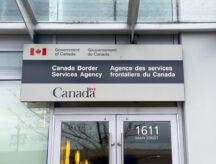
Three ways to overcome your criminal inadmissibility to Canada

Criminal inadmissibility can be one of the leading barriers to entry for foreign nationals looking to enter Canada.
Offences and convictions ranging from driving while intoxicated (DWI) to fraud and first-degree murder can be reasons that prospective newcomers to Canada may be barred from entering the country.
However, the Government of Canada does provide several pathways for you, if deemed criminally inadmissible to Canada, to overcome this status and come into the country.
Schedule a Free Legal Consultation with the Cohen Immigration Law Firm
Individual Rehabilitation
The first pathway you can explore to overcome criminal inadmissibility to Canada is individual rehabilitation. This is a permanent solution for criminally inadmissible newcomers, so long as you do not commit another crime.
To be classified as “rehabilitated”, you must meet several criteria, which are unique to the nature of the offence that led to your inadmissibility. Additionally, you must be seen—in the eyes of the government—as "highly unlikely to take part in further” criminal activity.
Furthermore, another requirement of the “individual rehabilitation” designation is that five years have passed since the day you committed the offence in question and since the end of your criminal sentence (including probation).
Finally, the Canadian government notes that criminal rehabilitation applications “can take over a year to process,” so IRCC recommends you ensure that you are planning far enough in advance of your travel to Canada.
Record Suspension or Discharge
A record suspension or discharge can also work to make you admissible to Canada if you apply for, and are granted one, by the Parole Board of Canada. Formerly known simply as a “pardon”, record suspensions/discharges granted in Canada will dissolve your criminal inadmissibility and simplify your path toward entry into the country.
Conversely, record suspensions and discharges granted in other countries will require that you first check with the Canadian Visa Office serving your home country or region to confirm its validity in Canada.
It is vital to note, however, that a record suspension or discharge for any specific offence does and will not necessarily result in immediate admissibility to Canada. Border services officers will still have the resources and obligation to determine that you are not inadmissible to the country for other reasons.
Temporary Resident Permit
With a valid reason to be in Canada, as determined by the officer you encounter at the border, you can become admissible into the country even if it has been less than five years since the end of your criminal sentence. In other words, unlike a criminal rehabilitation application as outlined above, Temporary Resident Permits (TRPs) do not require a certain length of time to have passed since you committed the offence that caused you to be deemed inadmissible to Canada.
However, Temporary Resident Permits are time-constrained, and the length of a given permit will be determined by your reason for coming to Canada. TRPs are also typically only valid for the duration of your stay in the country, contrary to some permanent solutions like a criminal rehabilitation application.
TRPs assist an immigration or border services officer with determining your admissibility to Canada. The officer will use their discretion to determine whether they believe your need to enter or stay in Canada “outweighs the health or safety risks to Canadian society” and your admissibility into the country will be decided from there.
Schedule a Free Legal Consultation with the Cohen Immigration Law Firm
© CIC News All Rights Reserved. Discover your Canadian immigration options at CanadaVisa.com.
- Do you need Canadian immigration assistance? Contact the Contact Cohen Immigration Law firm by completing our form
- Send us your feedback or your non-legal assistance questions by emailing us at media@canadavisa.com